


I'm looking to book at
We now have 2 locations to serve you:
We now have 2 locations to serve you:
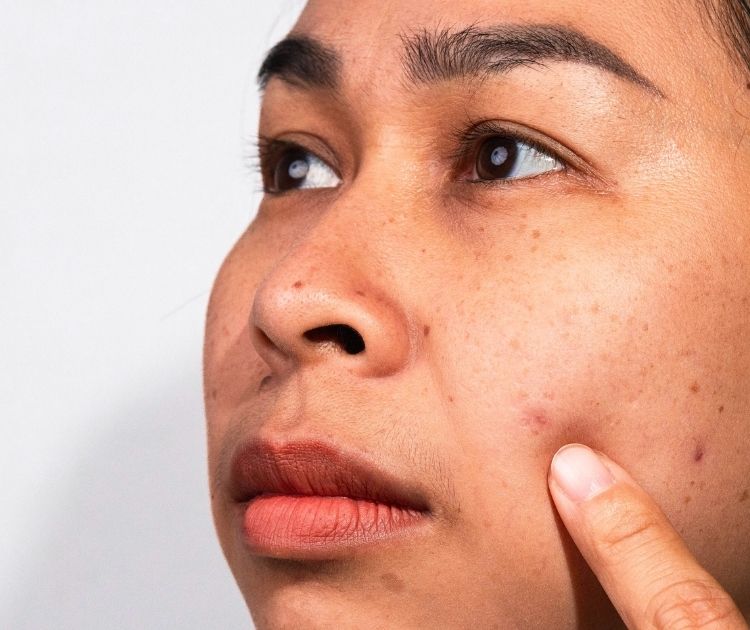
If your skin looks flat, tired, or “lifeless” in photos even when you’ve slept and moisturized - that’s common. Dullness usually comes from surface buildup (dead skin), dehydration, uneven texture, or slow cell turnover. It’s not dramatic; it’s fixable.
Below is exactly what you need to know - causes, everyday steps that actually work, what professionals can do, how soon you’ll see results, and whether you’re a good candidate.
Practical, real reasons you’re seeing less glow:
Hydrate from the inside
Steady water intake (and avoid extra alcohol/sugar) - small, consistent sips through the day.
Gentle daily cleanser.
scrubbing. Use a mild cleanser AM/PM.
Daily SPF
Broad-spectrum SPF 30+ every day.
This prevents new dull patches. (Toronto sun + reflective winter light both matter.)
Regular gentle exfoliation
1–3×/week chemical exfoliant (low-strength AHA or mandelic) or a light enzyme. Don’t overdo it. If your skin is sensitive, skip this until barrier is restored.
Hydrating serum + moisturizer
Look for humectants (hyaluronic acid, glycerin) layered with an occlusive or rich cream at night.
Lifestyle
Get decent sleep, reduce high-sugar drinks, and eat antioxidant-rich foods when possible.
We offer a focused set of professional treatments designed to restore radiance and improve skin texture: HydraFacial, Dermaplaning, Microneedling, our restorative California Facial, and gentle resurfacing peels. Each approach is chosen to address the visible causes of dullness - surface buildup, dehydration, and loss of skin evenness - while fitting into a sensible, ongoing maintenance plan.
If you’re unsure which is right, think of it this way: some treatments give an immediate, no-fuss glow (great for regular upkeep or before an event), while others are intended as short series to rebuild texture and long-term brightness. Which path we choose depends on your skin’s condition, history, and lifestyle — nothing is one-size-fits-all.
