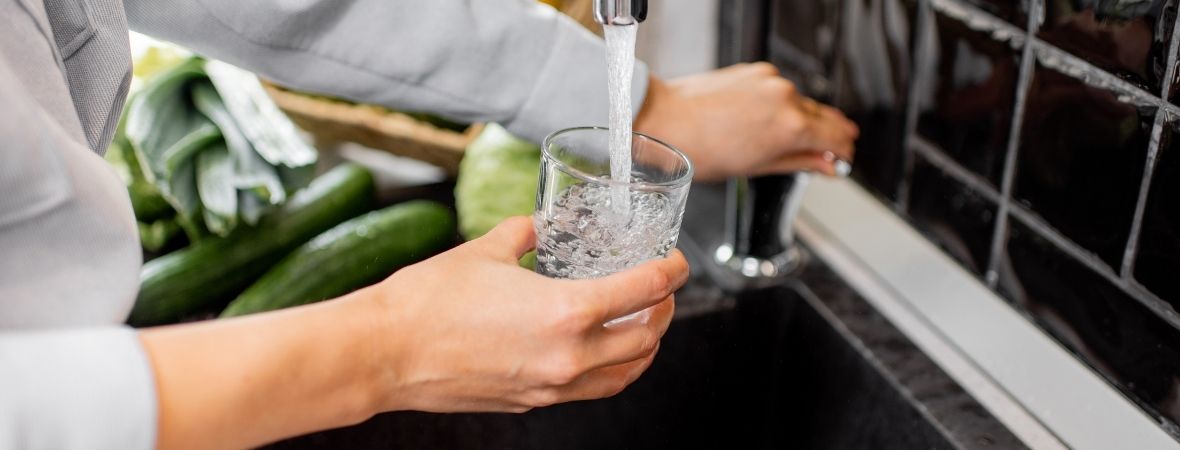
Short answer: Toronto's water contains calcium and magnesium, and recent City of Toronto testing puts water hardness at around 111–116 mg/L as calcium carbonate (CaCO₃). By common water-hardness classifications, that falls in the moderately hard range. However, the City describes Toronto's drinking water as having relatively low levels of calcium and magnesium and says water hardness is not a concern for most homeowners.
So, is Toronto water “hard”? Technically, it has measurable mineral hardness, but that doesn't mean Toronto tap water is inherently bad for your skin. For some people, repeated exposure to mineral-containing water, combined with cleansing and other factors, may contribute to dryness or irritation.
What Hard vs. Soft Water Does in Toronto - and How to Fix It?
If you live in Toronto and you're dealing with dry patches, flakiness or skin that feels tight after cleansing, it's easy to blame your moisturizer, the weather or other changes in your routine. Your tap water may be one factor worth considering, but it shouldn't automatically be treated as the cause. Skin can respond to many things, including cleansing habits, temperature, products, humidity and individual sensitivity.
Here’s a clear, practical guide for the stylish Toronto woman who wants results - not fluff. We’ll explain what “hard” and “soft” water actually do to your skin, what Toronto’s water is like, how to spot the signs, and exactly what you can do tonight, this week, and long term to protect your skin.
Hard vs. soft water - the plain-English chemistry
Hard water has higher levels of dissolved minerals, mainly calcium and magnesium.
Soft water has low mineral content; water softening systems replace calcium/magnesium (often via ion exchange) or use chelating/conditioning methods to keep minerals from behaving like troublemakers.
Why it matters for skin: calcium and magnesium can interact with soaps and cleansing products and contribute to residue on the skin. Research suggests that repeated exposure to hard water, particularly together with cleansing, can affect the skin barrier and may aggravate dryness or eczema in some people. That does not mean Toronto tap water causes eczema, acne or other skin conditions, and individual responses vary.
How hard water shows up on your skin (and hair)
Look for these real-world signs:
Skin that feels tight and looks dull after a shower, even when you use moisturizer.
Fine flaking or rough patches around the cheeks, jawline, or neck.
Dryness, itching or increased sensitivity, particularly if you already have a compromised skin barrier or eczema-prone skin.
Hair that feels limp, coated, or harder to style - mineral buildup affects color and texture too.
If several of these sound familiar, your water may be contributing more than you thought.
What the science and skin pros say
Research suggests that repeated exposure to hard water, particularly when combined with cleansing, can affect the skin barrier and increase its vulnerability to irritation. Some studies have also found an association between hard-water exposure and eczema or dry, sensitive skin. That evidence is about hard-water exposure generally; it does not establish that Toronto tap water is causing skin problems in any particular person.
The practical advice is still straightforward: use a gentle cleanser, avoid very hot water, don't over-cleanse, and protect your skin barrier with a suitable moisturizer.
Immediate “quick wins” you can do tonight
Keep the water lukewarm. Very hot water can increase dryness and irritation, particularly if your skin barrier is already sensitive.
Switch to a pH-balanced, syndet cleanser. Look for “syndet” or “pH-balanced” on the label (bar soap often has high pH and reacts badly with minerals). Avoid strong foaming soaps - they tend to strip skin more in hard water.
Try a final rinse with filtered water if you're curious. You don't need to use bottled water every day, but trying filtered water for several days can be a simple personal experiment. If your skin feels better, that's useful information - although it doesn't prove that water hardness was the cause.
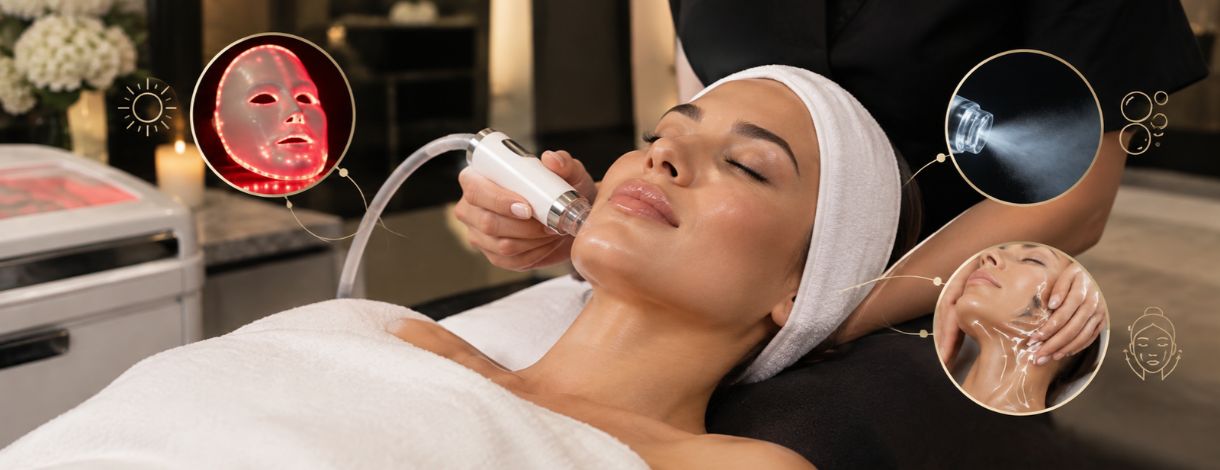
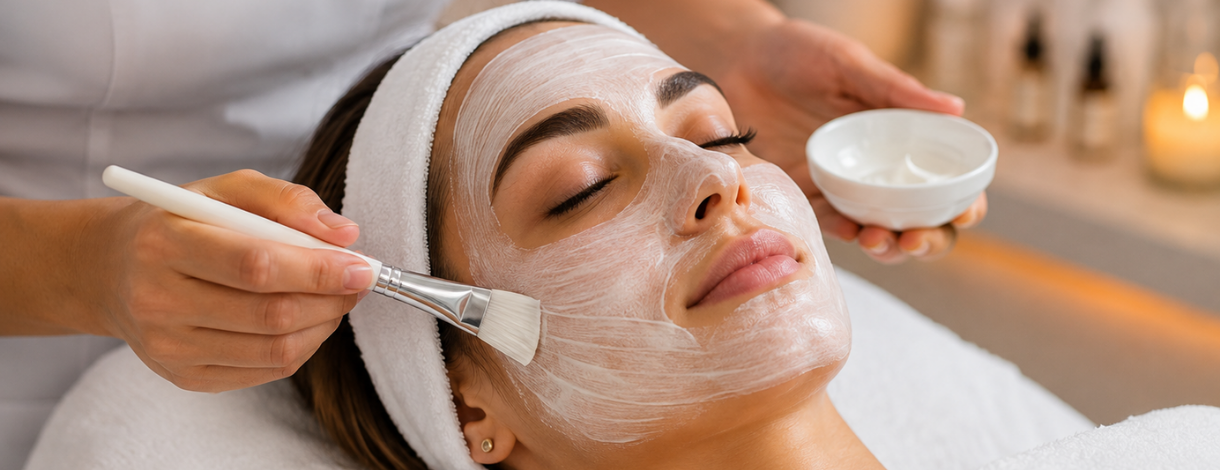
Moisturize while skin is damp. Use a ceramide-rich moisturizer or one containing niacinamide and hyaluronic acid. Those ingredients help repair barrier function and lock in hydration. For people looking for an in-clinic option, treatments such as a rejuvenating HydraFacial treatment can be incorporated into a professional skincare routine focused on cleansing, hydration and skin maintenance.
Clarifying shampoo once a week. For hair buildup from minerals: a clarifying or chelating shampoo (formulated with EDTA or citric acid) removes mineral residue.
🌡️
Cool water
🧴
Syndet cleanser
💧
Filtered splash
✨
Moisturize damp
🧼
Clarifying shampoo
Smart, inexpensive home fixes (under $100)
Filtered showerhead: A shower filter may reduce certain substances depending on the filter media and product design, but it does not soften water or remove calcium and magnesium in the same way as a water softener. If you choose one, look for a reputable product with clear information about what it is designed to reduce, and replace the cartridge according to the manufacturer's instructions. Don't assume that every “skin-friendly” or “hard-water” filter claim has been independently proven.
Point-of-use faucet filters: Small filters for sink taps are excellent for face washes - inexpensive and easy to install.
At-home hardness test strips: A quick way to confirm your water’s hardness if you want a baseline. Or simply consult the City of Toronto water analysis (it’s public and shows system-wide hardness).
Bigger fixes (worth considering if you live with chronic eczema or very dry skin)
Salt-based whole-house softener (ion exchange): A water softener actually removes calcium and magnesium and can be useful when a home has significant scale or confirmed hardness-related water problems. However, it is a household water-treatment decision rather than a routine skincare treatment. If you're considering one, have your home's water assessed first and follow local requirements for installation and maintenance.
Salt-free conditioners: These systems generally don't remove calcium and magnesium from water. Instead, they are designed to reduce the tendency of minerals to form scale. Their performance varies by technology and water conditions, so if you're considering one, compare the manufacturer's claims carefully and get advice based on your home's actual water quality.
Skincare routine tuned for hard-water cities (Toronto-friendly)
Morning:
Cleanse with a gentle syndet cleanser (gel or cream) using lukewarm water.
Pat dry; while skin is damp apply a hyaluronic-acid serum followed by a ceramide-rich moisturizer (or a moisturizer with niacinamide if you’re prone to oiliness).
Apply broad-spectrum sunscreen - mineral residue + sun = bad combo for inflammation and pigment.
Night:
Double-cleanse only if wearing heavy makeup; otherwise keep to one gentle cleanse.
Use a weekly clarifying step: a chelating shampoo for hair once a week; for skin, a gentle chemical exfoliant (AHA 5–10% or BHA 1–2%) no more than 1–2x/week if you tolerate it. If you have eczema, skip chemical exfoliation unless cleared by your dermatologist.
Night moisturizer: richer, with occlusives like petrolatum/lanolin for very dry patches, or a lightweight ceramide cream for normal/combination skin.
Buy and mount a filtered showerhead or a simple point-of-use faucet filter for your bathroom sink (face rinse test).
Swap your cleanser to a syndet/pH-balanced formula and schedule one clarifying-wash day for hair each week.
Add/upgrade to a ceramide-containing moisturizer and apply it while the skin is damp.
Track one month: note changes in dryness, itchiness, and breakouts. If you’re still seeing problems, consult a dermatologist and discuss a water-conditioning solution with a plumber.
Final practical tips (so your skin actually feels good)
Pat don’t rub. Microtrauma from towel rubbing + mineral residue = irritation.
Use cotton pillowcases and change them more often during flare-ups.
Shorten showers by 1–2 minutes — less exposure to minerals and heat.
For stubborn areas (neck, décolletage) consider a final targeted rinse with filtered water or micellar water before moisturizers. And for long-term results, occasional microneedling sessions in Toronto can further boost collagen and resilience
If you install a whole-house softener, add a reverse-osmosis or carbon filter for drinking water - softened water has higher sodium content. (Speak to a pro about installation and maintenance schedules.)
🤲 Pat don’t rub
🛏️ Cotton pillowcase
🚿 Shorter showers
💧 Targeted rinse
🔧 Softener + filter
Parting Note
Toronto's tap water is safe to drink and closely monitored by the City. It contains measurable amounts of calcium and magnesium, and recent testing places its hardness around 111–116 mg/L as CaCO₃. The City considers these mineral levels relatively low and says water hardness is not a concern for most homeowners.
That doesn't mean water is irrelevant to your skin. For some people, cleansing habits, water temperature, mineral exposure and other environmental factors can contribute to dryness or irritation. The sensible approach isn't to assume your tap water is the problem - it's to make a few gentle changes, see how your skin responds, and investigate further if the problem persists.