The Short Answer: What Actually Makes Nails Grow?
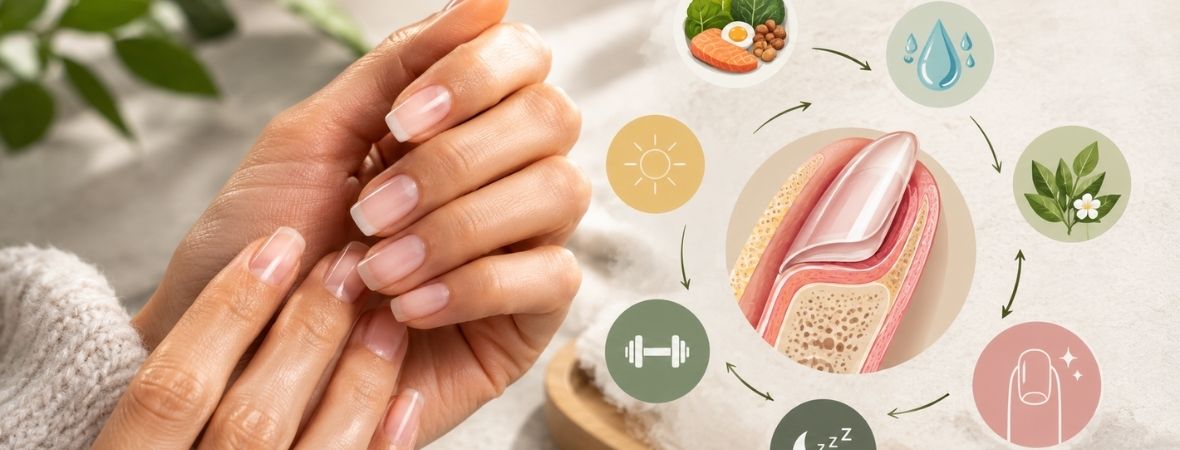
Your nails grow because new nail cells are continuously produced in the nail matrix, the hidden area underneath the skin at the base of the nail. Those new cells harden into keratin, form the nail plate and gradually push the older nail toward the fingertip.
So when people ask, “What can I do to make my nails grow faster?” the answer is a little different from what they expect. You cannot simply put something on the visible nail and switch growth on. What you can do is support normal growth and, just as importantly, stop losing that new growth to peeling, splitting, picking, biting, excessive water exposure and repeated trauma.
In Canada, the average quoted growth rate is about 2.5 mm per month for fingernails and about 1 mm per month for toenails. That is an average, not a deadline your nails are supposed to hit. Growth varies from person to person and even from one nail to another.
What Your Nails Need Most
1. A functioning nail matrix: this is where new nail cells are made.
2. Adequate nutrition: nails need normal access to the nutrients your body uses to build keratin and maintain tissue.
3. Protection from repeated damage: a nail that grows normally can still stay short if it keeps breaking.
4. Reasonable moisture and care: excessive wetting and drying, harsh chemicals and aggressive grooming can weaken the nail plate.
Approximate average fingernail growth cited by the Canadian Dermatology Association.
Approximate average toenail growth, which is considerably slower than fingernails.
Nail growth tends to be faster in summer than winter.
Your nails can grow normally while still failing to get longer because they break faster than they are retained.
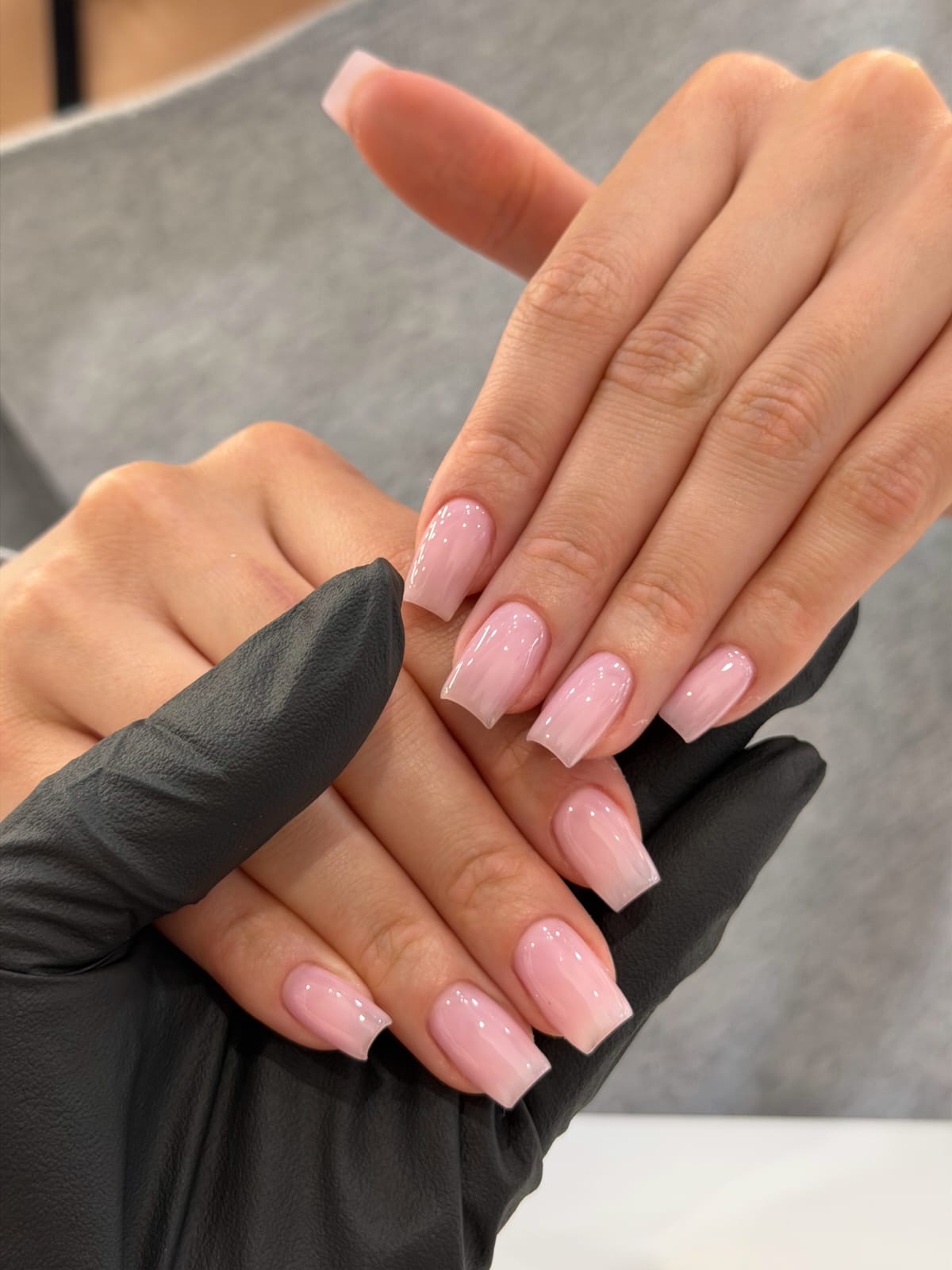
Strong-looking nails are not only about how fast they grow. Keeping the nail plate intact is a big part of the equation.
The Nail Matrix Is the Part That Really Matters
The part of your nail you can see is called the nail plate. It is made mostly of hardened keratin, the same structural protein found in hair and skin. But the nail plate is not where new nail growth starts.
New cells are created underneath the skin at the base of the nail in an area called the nail matrix. You cannot see most of it. The visible half-moon, when present, is the lunula and represents only part of the underlying matrix. Cleveland Clinic describes the matrix as the tissue responsible for producing the cells that become the fingernail or toenail.
Think of the Matrix as Your Nail's Factory
It is useful to stop thinking of the nail as a dead piece of keratin that somehow “grows.” The visible nail is the result of a production process happening underneath it.
Matrix
Specialized cells are produced at the base of the nail.
Keratinization
The new cells harden and become part of the nail plate.
Forward Growth
Newer cells gradually push the older nail toward the tip.
This is why cutting the free edge does not make the nail grow faster. You are trimming the oldest part of the nail, not changing what the matrix is doing. Filing can still be extremely useful because a smooth edge is less likely to catch on clothing, hair or other surfaces and split.
The important distinction is: trimming changes length; the matrix determines growth.
So What Triggers the Matrix to Keep Producing Nail?
There is no single “nail growth button.” Normal nail growth depends on the ongoing activity of the cells in the matrix and the overall conditions that support healthy tissue.
Your body is constantly making new nail cells. The rate is influenced by things such as age, overall health, nutrition, season and the individual nail itself. A study of healthy young adults found an average fingernail growth rate of about 3.47 mm per month, but different fingernails did not all grow at exactly the same rate.
The Canadian Dermatology Association also notes that nails generally grow faster in summer than winter. So if you feel like your nails suddenly need filing more often during warmer months, you are not necessarily imagining it.
Why Some Nails Grow Faster Than Others
It is perfectly normal for one nail to seem ahead of another. You may notice that one fingernail grows differently from another, or that your fingernails need trimming much more often than your toenails.
| Factor | What we know | What it means in real life |
|---|---|---|
| Finger vs. toe | Fingernails grow faster than toenails. | Toenails naturally take much longer to replace. |
| Season | Nails generally grow faster in summer than winter. | Your growth may appear a little slower during Toronto's colder months. |
| Individual nail | Not every finger grows at the same rate. | One nail needing a trim sooner than another is not automatically a problem. |
| Age | Nail growth tends to slow with increasing age. | Growth speed can change over the years even when your routine stays the same. |
| Health | Illness and certain medical conditions can affect nail growth or appearance. | A sudden persistent change deserves more attention than simply buying another nail product. |
| Trauma | Repeated injury can damage the tissues involved in nail production. | Biting, picking, hitting or repeatedly damaging the nail can change how it grows. |
Your Nails Might Not Be Growing Slowly - They Might Be Breaking Too Quickly
This is one of the biggest misunderstandings around nail growth.
Imagine your nails are growing at a normal rate, but every few days the free edge chips, peels or snaps. You are producing new nail, but you are not keeping it.
That is why someone can say, “My nails never grow,” while their nails are actually growing perfectly normally. The real problem is often retention.
Growth
New nail cells are being produced in the matrix and moving the nail plate forward.
This process is largely happening whether or not you are thinking about your nails.
Retention
The nail has to survive daily life without excessive peeling, splitting, bending, biting or trauma.
Improving retention is often the easiest way to finally see the length your natural growth is already producing.
What Actually Weakens Nails?
Most brittle, splitting nails are not caused by one dramatic event. They are often the result of repeated small stresses that add up over time.
Repeated Wetting and Drying
This one is especially relevant if your hands are constantly in water. Nails absorb water and expand, then contract as they dry. Repeated wetting and drying can contribute to splitting and peeling. The Canadian Dermatology Association specifically lists repeated water exposure, harsh soaps and detergents among common contributors to brittle nails.
This is why dishwashing, cleaning and frequent hand washing can matter more than people expect. It is not that water is “bad” for nails. The problem is repeated exposure combined with drying and chemical irritation.
Picking, Biting and Using Your Nails as Tools
Your nails are useful, but they are not little screwdrivers.
Opening packages with the nail, scraping stickers, peeling labels, biting the corners or picking at lifting polish can create tiny areas of damage. Repeat that often enough and the nail has a hard time staying intact.
The American Academy of Dermatology specifically advises against using nails as tools and against biting them because both can damage the nail and surrounding tissue.
Over-Buffing and Aggressive Filing
Filing is not the problem. How you file is the problem.
Smoothing a rough edge can prevent a split from catching. Aggressively thinning or repeatedly buffing the nail, on the other hand, can remove some of the nail plate you are trying to protect.
For everyday maintenance, the goal is simple: shape the nail, smooth the edge and leave the natural structure alone.
Harsh Removers and Repeated Chemical Exposure
Frequent exposure to polish remover and other drying chemicals can contribute to brittleness. That does not mean you need to stop wearing nail polish or gel altogether. It means your nails still benefit from sensible removal, moisture and periods of less chemical stress when they are becoming dry or brittle.
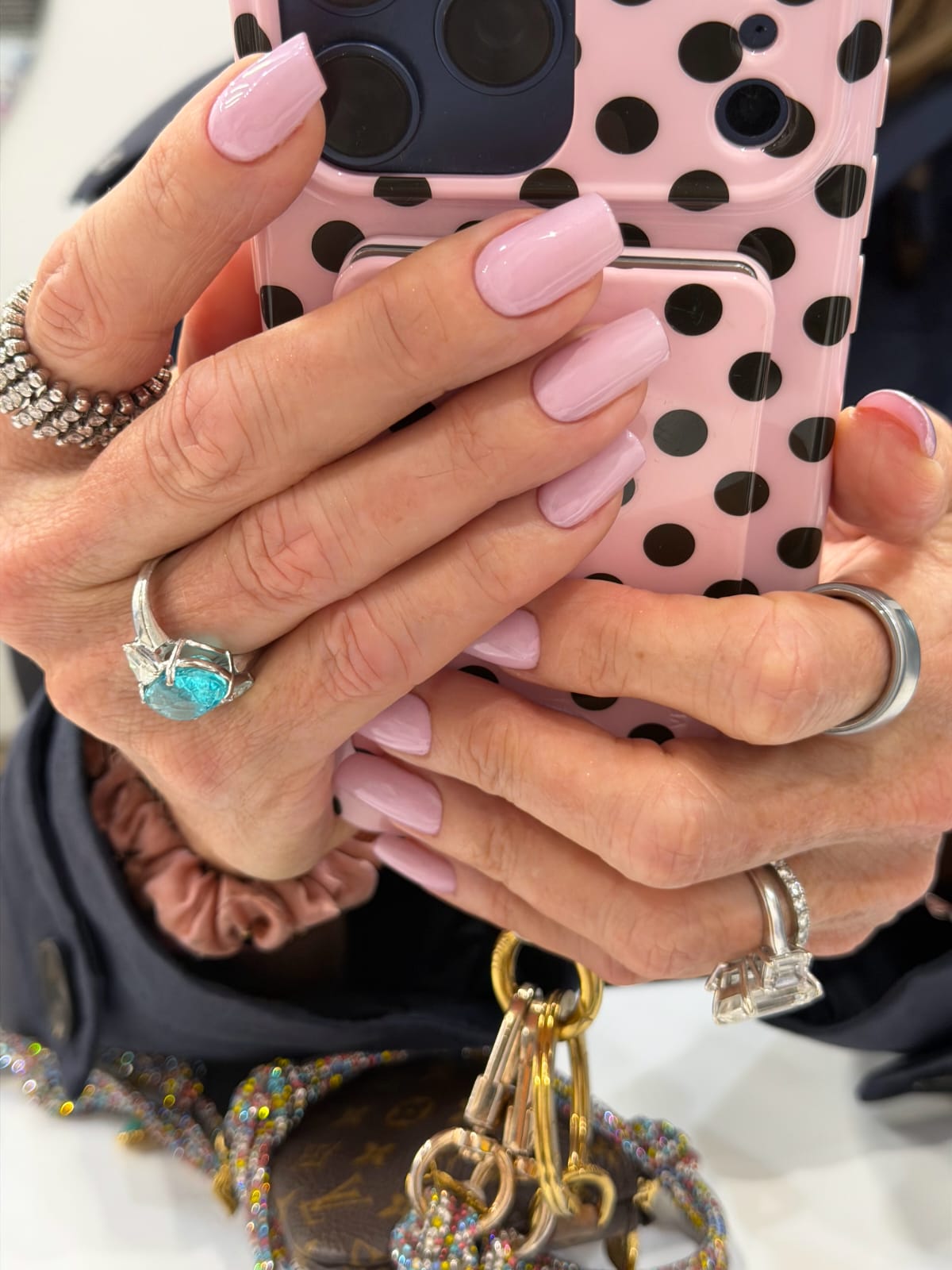
Healthy-looking nails are usually the result of consistent care and good habits, not one miracle ingredient.
Does Nutrition Really Affect Nail Growth?
Yes, but this is where online advice tends to get exaggerated.
Your nails are living tissue while they are being produced, and your body needs adequate nutrition to maintain normal tissue growth. The Canadian Dermatology Association notes that nail appearance is influenced by nutrition and overall health.
But that does not mean taking a handful of “hair, skin and nail” supplements automatically makes your nails grow faster.
The Biotin Question
Biotin gets a huge amount of attention because some small studies have found improvements in the hardness or brittleness of nails in certain people. But the evidence for routine biotin supplementation in healthy people is limited.
The National Institutes of Health notes that claims around biotin for hair, skin and nails are supported by only a small amount of evidence, and the Canadian Dermatology Association says there is not sufficient evidence to recommend over-the-counter biotin for brittle nails.
There is another reason not to take high-dose biotin casually: it can interfere with certain laboratory blood tests. Talk to a healthcare professional before using supplements to treat a persistent nail problem.
What Should You Eat for Stronger Nails?
There is no special “nail-growth diet.” A better approach is making sure your overall diet provides enough protein and a broad range of essential nutrients.
If your diet is very restricted or you have a reason to suspect a nutritional deficiency, that is a conversation for a doctor or registered dietitian, not a reason to randomly add supplements.
Persistent brittle nails can occasionally be associated with conditions such as iron deficiency or thyroid disease. The Canadian Dermatology Association specifically notes these among possible medical contributors to nail abnormalities.
In other words: nutrition matters, but “more vitamins” is not automatically the answer.
How Long Does It Take to Grow 5 mm?
Here is where the average growth rate becomes useful. The Canadian Dermatology Association estimates approximately 2.5 mm of fingernail growth per month. At that average rate, adding 5 mm would take roughly two months.
Real life is messier than the calculator, of course. Your nail may grow at a slightly different speed, and if part of that new length breaks, the visible result will be smaller than the theoretical growth.
How Long Will It Take My Nail to Grow?
Enter how much new nail length you want to see. This uses average Canadian dermatology growth rates as a rough estimate, not a personal prediction.
Can You Actually Make Nails Grow Faster?
You can support normal nail growth, but there is a big difference between supporting growth and forcing growth beyond your natural rate.
There are a few things worth doing consistently:
- Eat a balanced diet rather than chasing single “beauty” nutrients.
- Protect your nails from repeated water and detergent exposure.
- Moisturize the hands, nails and surrounding skin regularly.
- Keep nails shaped and smooth so they do not catch and split.
- Do not bite, pick or use your nails as tools.
- Give damaged nails time to grow out rather than repeatedly filing away weak areas.
These habits may sound almost too basic. They are not. A lot of nail health comes down to preventing small amounts of damage from happening every day.
What About Manicures? Can They Help Your Nails Grow?
A manicure does not make your nail matrix suddenly produce cells faster. But a well-performed manicure can absolutely help with nail retention.
Smooth edges are less likely to catch. Proper shaping can reduce accidental breaks. Keeping the surrounding skin moisturized helps with dryness. And professional care can make it easier to notice when something about the nail has changed.
The important part is how the service is performed. The American Academy of Dermatology recommends avoiding aggressive cuticle cutting because the cuticle helps protect the nail root and surrounding skin. It also recommends choosing clean, properly maintained salon practices.
That is one reason we place so much emphasis on the condition of the natural nail during a service rather than treating every appointment as simply “file, polish and move on.”
You can see more about the nail services we offer at our Yorkville nail salon page.
Does Gel Polish Stop Nails From Growing?
No. Your nails continue growing underneath gel polish. The visible problem is more often what happens during preparation, wear and removal.
If the natural nail is repeatedly filed too aggressively, peeled during removal, picked at when lifting or exposed to excessive acetone, the result can be a nail that feels much thinner and more fragile.
This does not mean every gel manicure is damaging. Technique, product choice, removal method and what happens between appointments all matter.
The American Academy of Dermatology notes that artificial and enhancement services can contribute to brittleness, peeling and cracking, particularly with repeated filing and frequent touch-ups.
Your Toronto Nail Routine Changes With the Seasons
Toronto is a good example of why nail care cannot be completely separated from the environment. Winter is a very different experience for your hands and nails than a humid summer day.
Protect the moisture
Cold outdoor air and heated indoor air can leave hands and the skin around the nails noticeably drier. Moisturize regularly and pay extra attention to the cuticle area.
Repair what winter left behind
If nails are peeling or splitting after months of dryness and frequent hand washing, focus on gentle shaping and reducing further damage.
Expect faster growth
Nails generally grow faster in warmer months. More swimming and outdoor activity also mean more opportunities for water exposure and physical wear.
Build consistency again
As temperatures drop, hands often become drier. This is a good time to make moisturizing and protective habits automatic again.
What Is Actually Helping Your Nails - and What Is Mostly Marketing?
| Claim or habit | What is actually happening | Worth doing? |
|---|---|---|
| “Cut your nails more often to make them grow faster.” | Cutting changes the visible length but does not speed matrix activity. | Trim for shape and comfort, not growth speed. |
| “Gel polish makes nails stop growing.” | The nail keeps growing under the coating. Damage can happen from preparation, removal or repeated wear. | Focus on technique and nail condition. |
| “Biotin always makes nails grow faster.” | Evidence is limited, especially in otherwise healthy people. | Do not assume a supplement is necessary. |
| “Oil makes nails grow.” | Moisturizing can help reduce dryness and improve flexibility, but oil does not switch on the nail matrix. | Useful for nail and cuticle care, not a growth stimulant. |
| “More nail products mean faster growth.” | Growth is controlled largely by nail biology, not the number of products applied. | Protect the nail rather than piling on products. |
Nail Health Habit Check
Before blaming slow growth, check what happens to your nails during a normal week. This little quiz is not a diagnosis. It is simply a way to spot habits that may be shortening the amount of nail you are able to keep.
What Is Probably Getting in the Way?
Check every habit that applies to you.
The Strong-Nail Routine That Actually Makes Sense
You do not need a complicated 12-step nail routine. A few consistent habits are much more useful.
Every Day
- Moisturize your hands and the skin around your nails.
- Use gloves for prolonged exposure to water or cleaning products.
- Do not bite or pick at your nails.
- Use your fingertips for everyday tasks, not the nail edge.
When You File
- Use a nail file to smooth snags before they turn into splits.
- Do not aggressively thin the nail plate.
- Shape nails consistently rather than repeatedly correcting breaks.
- Moisturize after grooming.
The American Academy of Dermatology also recommends keeping nails clean and dry, avoiding cuticle cutting, trimming nails appropriately and protecting them from repeated water exposure.
What If Your Nails Suddenly Stop Growing?
A temporary change in nail growth or appearance is not automatically a serious problem. But a sudden or persistent change should not simply be covered up with polish and ignored.
Pay attention to changes such as:
- Persistent changes in nail colour.
- New or unusual ridges, grooves or pitting.
- Persistent splitting or severe brittleness.
- Swelling, pain or tenderness around the nail.
- Separation of the nail from the nail bed.
- A significant change affecting one nail without an obvious injury.
Nail problems can sometimes be associated with infections, skin conditions or systemic health issues. The Canadian Dermatology Association recommends medical assessment for concerning nail changes rather than trying to diagnose the cause from appearance alone.
One Nail Acting Very Differently?
If one nail suddenly changes while the rest look normal, pay attention to it. A recent injury can explain an isolated change, but persistent colour, shape, growth or texture changes deserve professional assessment.
A nail technician can spot changes during a manicure, but diagnosis of a nail disorder belongs with a qualified healthcare professional.
Why “Strong Nails” and “Fast-Growing Nails” Are Not the Same Thing
This is probably the most useful takeaway from the whole subject.
A nail can grow quickly and still be weak. Another nail can grow more slowly but remain strong and intact.
Your real goal should not be to make the matrix work at some impossible speed. It should be to support normal growth and protect the nail that has already grown.
That means less picking, less unnecessary trauma, better moisture management, sensible filing and a professional approach to manicures and removal.
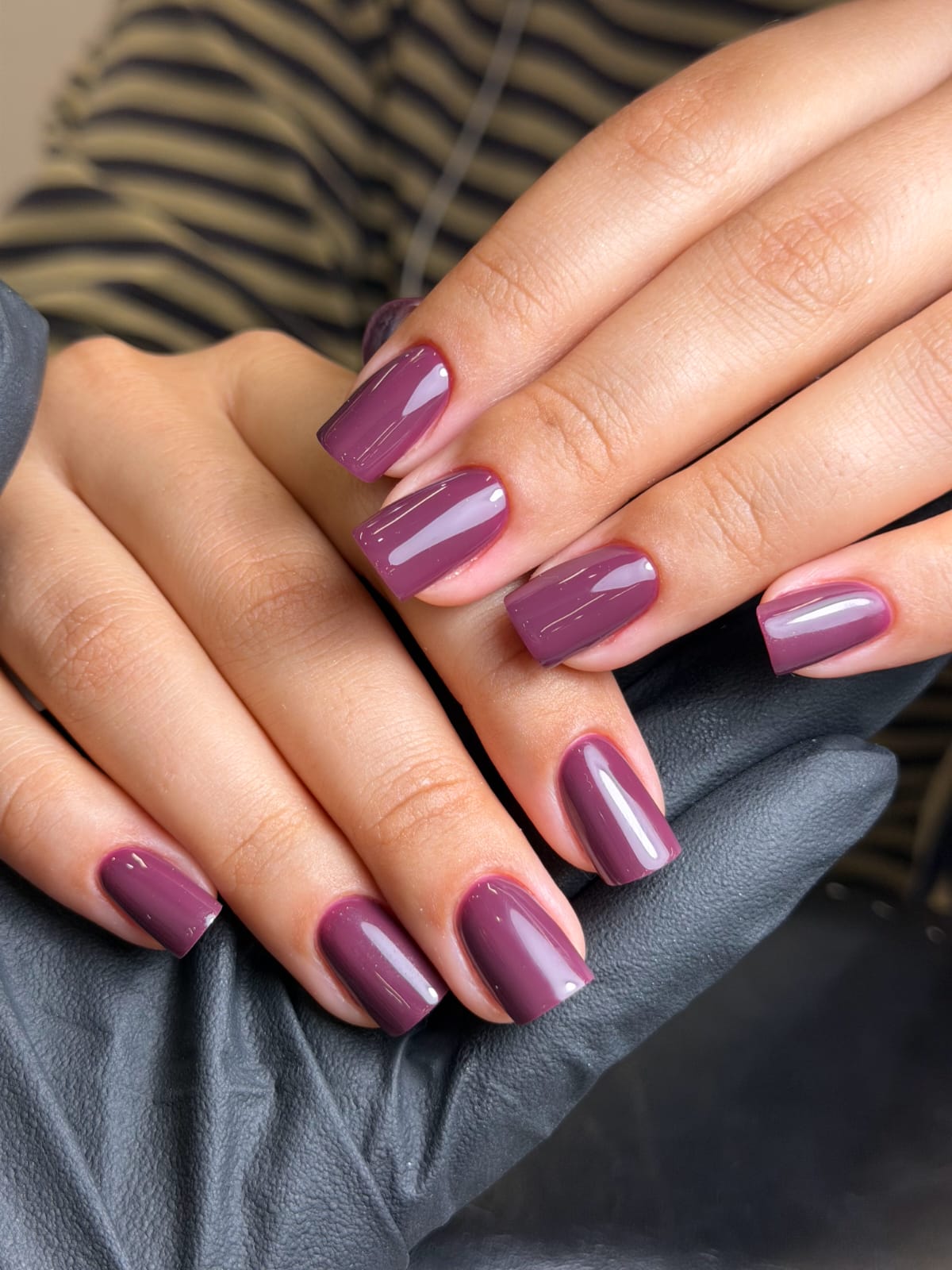
The goal is not simply longer nails. It is nails that can actually handle everyday life without constantly splitting or peeling.
Watch: The Difference Good Nail Care Can Make
Sometimes the easiest way to understand nail health is to see what professional preparation and finishing actually look like.
Frequently Asked Questions
New nail cells are produced in the nail matrix underneath the skin at the base of the nail. They harden into keratin and gradually push the older nail plate forward.
The Canadian Dermatology Association gives an average of about 2.5 mm per month for fingernails. Published studies can produce somewhat different averages depending on the group being studied and the measurement method.
Yes. The Canadian Dermatology Association notes that nails grow faster in summer than in winter.
No. Trimming changes the visible edge but does not increase the rate at which the nail matrix produces new cells. Filing can still help because a smooth edge is less likely to snag and break.
The evidence is limited, especially for healthy people without a demonstrated deficiency. Some small studies suggest biotin may help certain cases of brittle nails, but it is not a universal nail-growth solution. High-dose biotin can also interfere with some blood tests.
The usual explanation is that growth is being cancelled out by breakage. If you are constantly peeling, biting, picking or damaging the nail edge, you may not retain enough of the new growth to notice a difference in length.
A manicure does not directly speed up the nail matrix. Proper professional care can help protect the nail from snagging, splitting and unnecessary trauma, which can make it easier to retain natural length.
See a healthcare professional for persistent or concerning changes in nail colour, shape, texture or growth, especially when there is pain, swelling, separation or a change affecting one nail without an obvious injury.
Want Healthier-Looking Nails?
Good nail care is less about trying to force growth and more about protecting the natural nail you already have. Our team can help you keep your nails neat, strong-looking and well maintained while paying attention to their current condition.
Explore Our Nail ServicesSources
- Canadian Dermatology Association — Nail Health & Care
- Canadian Dermatology Association — Brittle Nails
- American Academy of Dermatology — 11 Dermatologists' Tips for Healthy Nails
- American Academy of Dermatology — Artificial Nails: Tips for Reducing Nail Damage
- American Academy of Dermatology — Manicure and Pedicure Safety
- Cleveland Clinic — Nail Matrix
- PubMed — Growth Rate of Human Fingernails and Toenails in Healthy American Young Adults
- National Institutes of Health — Biotin: Health Professional Fact Sheet
This article is for general nail-care information only and is not a substitute for medical advice. Persistent or unusual nail changes should be evaluated by a qualified healthcare professional.